

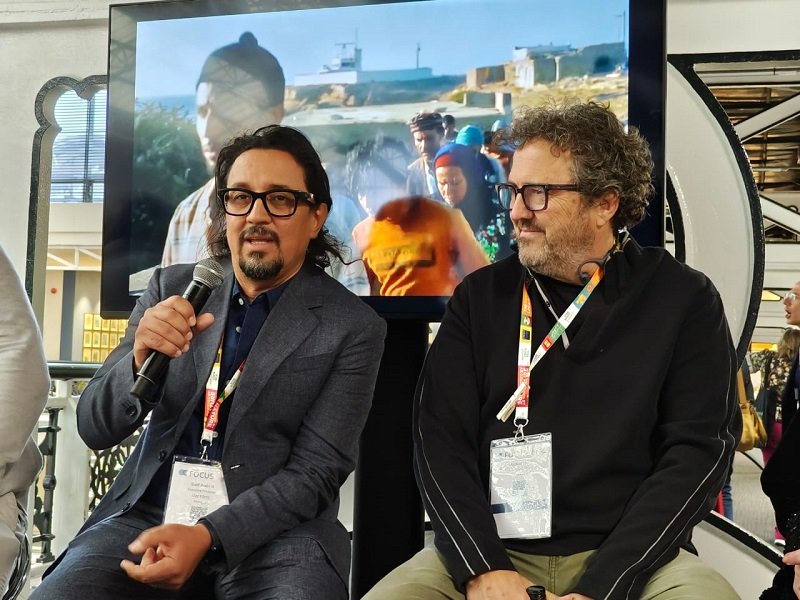
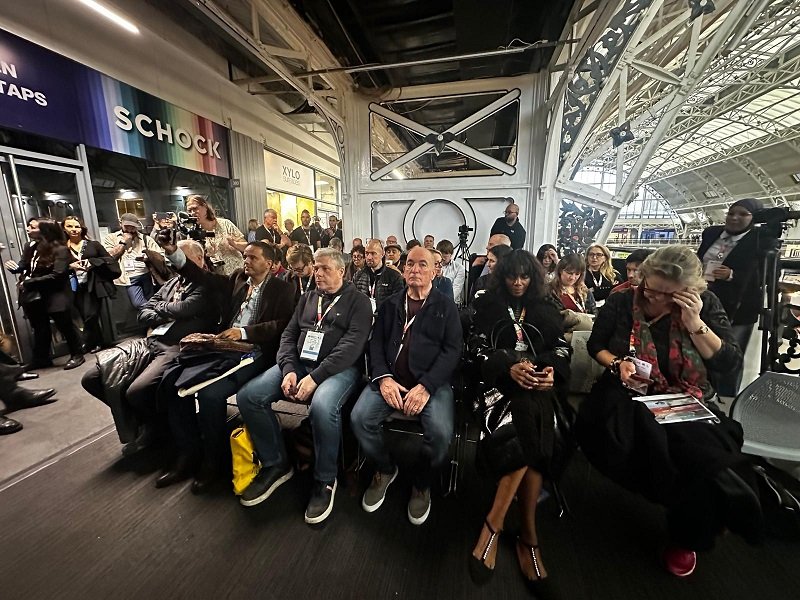
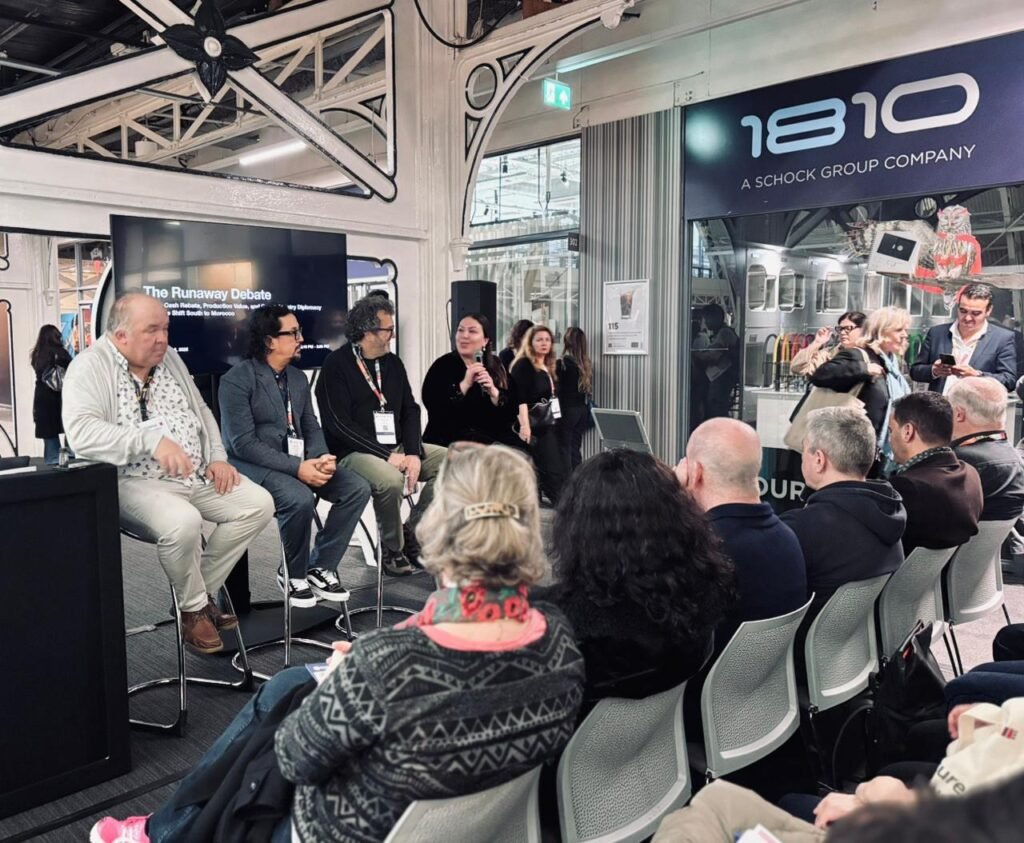
London, 2025 – FOCUS London 2025 highlighted Morocco’s expanding role as a strategic global film production destination during a session titled: “The Runaway Debate: How Cash Rebates, Production Value, and Cross-Country Diplomacy Drive the Shift South to Morocco.”
The panel brought together diplomatic experts and filmmaking professionals to explain why international producers from the United States, the United Kingdom, and Europe increasingly choose Morocco, and how cinema has become a key instrument of Morocco’s economic and cultural diplomacy.
The session opened with remarks from Imane Dryef, Minister Plenipotentiary at the Embassy of the Kingdom of Morocco in London. She emphasized Morocco’s historic openness to international collaboration and highlighted cinema’s central role in fostering cultural exchange, professional partnerships, and long-term creative collaboration. Dryef also noted that Morocco offers a clear institutional framework to support foreign productions, including streamlined permitting, national and regional coordination, and assistance with special requests, such as military support when appropriate — enabling international producers to operate confidently within a reliable and organized system.
A central theme was Morocco’s ability to deliver significant production value. The country combines a 30% cash rebate, relatively low production costs, a large pool of experienced crews, diverse natural and architectural landscapes, and robust studio infrastructure including pre-built sets in Ouarzazate. These factors make Morocco a cost-effective destination where filmmakers can maximize on-screen impact while remaining within budget.
American producer Michael Leahy shared insights from independent and mid-scale productions, particularly his recent collaboration with Moroccan producer said andam on “Kevin Costner Presents: The First Christmas.” Leahy highlighted how the rebate system, skilled Moroccan crews, and smooth collaboration with local partners allowed the production to achieve ambitious scope while remaining financially efficient, demonstrating Morocco’s ability to empower independent projects to reach near-studio levels.
UK supervising location manager Christian McWilliams offered the perspective of large-scale productions, reflecting on his work on films like Gladiator II, Spy Game, Babel, Syriana, and others, noting Morocco’s evolution over the past two decades. He highlighted improvements in crew capability, infrastructure, logistics, and institutional coordination, establishing Morocco as a dependable environment for complex, multi-unit, large-scale shoots.
Moroccan producer said andam emphasized how collaboration with international crews has strengthened the local industry, stressing the importance of early communication, clear expectations, and a balanced mix of local and imported talent. He underlined the need to treat local service companies as true partners, empowering them to anticipate challenges and propose solutions, which unlocks additional value and operational efficiency on the ground.
The panel concluded that so-called “runaway production” is not just outsourcing, but expanding creative possibilities. With its economic advantages, logistical reliability, cultural openness, and collaborative spirit, Morocco provides an optimal environment for international filmmaking, transforming cinema into a powerful gateway for global connection.


