

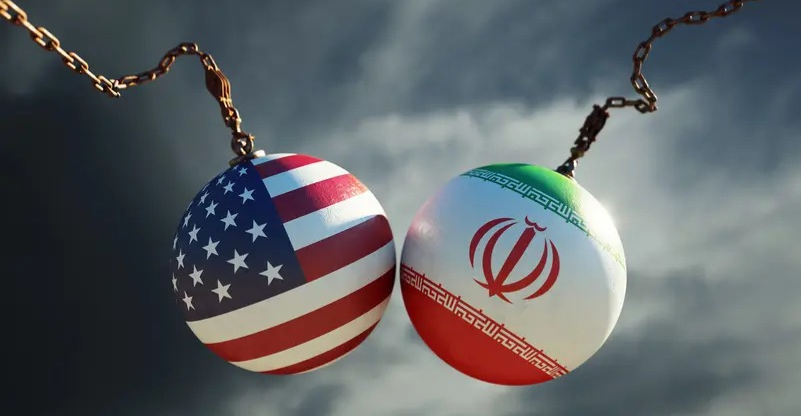
Over the past two years, negotiations regarding the Iranian nuclear program have become one of the most influential political and security issues in the Middle East and the world. Following a wave of military tensions and the US withdrawal from the previous nuclear agreement, negotiations between Washington and Tehran resumed in 2025, and new talks began in early 2026 in an attempt to break the deadlock between the two sides.
Our following analysis reviews the most important milestones and developments up to February 16, 2026, with an assessment of the outcomes of the negotiations and their impact on regional and international stability.
Background of the crisis and the course of negotiations since 2025
After years of escalating tensions surrounding Iran’s nuclear program, the 2015 negotiations (the JCPOA) became ineffective following the withdrawal of a previous US administration and the reimposition of stringent sanctions. In 2025, the administration of US President Donald Trump relaunched indirect talks with Tehran through intermediaries in Oman and several regional states, attempting to find common ground that could lead to a new agreement.
The new generation of negotiations took the form of multiple rounds until January-February 2026, most notably:
- The first round of talks began in Muscat with Omani mediation, where representatives from both sides met for indirect talks and agreed to continue negotiations in subsequent rounds.
- Both sides agreed to continue talks despite military tensions and mutual threats.
This path indicates a mutual – albeit hesitant – desire to keep the diplomatic channel open, a significant shift after years of stagnation.
Key Points of Contention
The Enrichment File and Uranium Stockpile
The level of Iranian uranium enrichment remains one of the most significant sticking points in the negotiations. Tehran insists that its stockpile of highly enriched uranium and its policies regarding it constitute a “red line” related to its sovereignty, while indicating the possibility of reducing the enrichment level in exchange for sanctions relief.
For Washington, reducing Iran’s enrichment capabilities to safe and verifiable levels is a prerequisite for any agreement, as it is the only way to prevent Tehran from pursuing nuclear weapons. Iran continues to have reservations about this.
Washington’s Demand to Link Nuclear Deal to Other Issues
The US administration has shown a tendency to link the nuclear agreement to broader demands concerning Iran’s missile program and Tehran’s regional influence, which Iran rejects as being outside the scope of the nuclear agreement.
The Impact of Military Tensions on the Negotiation Process
The negotiations did not take place in a political vacuum; the talks were accompanied by:
- The deployment of a second US aircraft carrier to the Middle East as a message of pressure on Iran.
- Simultaneous Iranian and Israeli moves prior to a new round of negotiations reflect the growing importance of the nuclear issue in regional dynamics.
- Warning statements from both sides before the round of negotiations, with Iran warning that war would end American hegemony, show an escalation in political rhetoric ahead of the sessions.
These factors added a more realistic dimension to the negotiations, as each side began using the traditional tools of pressure in international politics — diplomacy and military — to achieve the maximum possible gains.
Positions of Regional Powers and Mediating States
Countries such as Oman and Qatar are playing a constructive mediating role between the United States and Iran, attempting to create a diplomatic climate away from the escalating tensions in the region.
In contrast, other regional countries are showing varying positions; some Gulf allies support negotiations on the condition that the agreement does not strengthen Iran’s regional capabilities, while some European capitals believe that dialogue is the only way to reduce nuclear risks.
What does this mean in the language of international reality?
First: A potential but fragile success
Although the first round of talks in Muscat was described as “positive,” fundamental differences regarding enrichment, missiles, and regional issues keep the prospects for a final agreement relatively slim in the short term.
Second: The assumption of continued tension
If negotiations fail, the US administration does not rule out resorting to more stringent options, including military and diplomatic pressure and “undesirable consequences,” as Trump indicated in recent statements.
Third: Impact on Energy Markets
The risks of escalation and failure to reach an agreement translate into volatility in oil markets, making the nuclear negotiations not only a matter of international security but also a global economic factor with tangible effects on prices.
Scenarios for the next phase
Continued dialogue and expansion of its technical scope
The negotiations may shift to a more technical format overseen by nuclear experts, potentially paving the way for a gradual framework agreement.
Stalling and Temporary Suspension
Military tensions and escalating disputes could return negotiations to the pre-2025 stalemate.
A Multidimensional Approach
Washington’s attempt to link the nuclear issue to broader issues might open the door to a wider, but complex and uncertain, deal.
In conclusion, the 2025–2026 negotiations between the United States and Iran on the nuclear issue are considered an important milestone in modern international relations. Despite the positive diplomatic steps taken during the recent rounds of negotiations in Oman, the road to a comprehensive agreement remains long and complex, especially given the overlap of military, political, and economic issues. Maintaining open dialogue so far offers a glimmer of hope for a possible de-escalation, but the fundamental challenges on the ground remain major question marks for decision-makers on both sides.


