

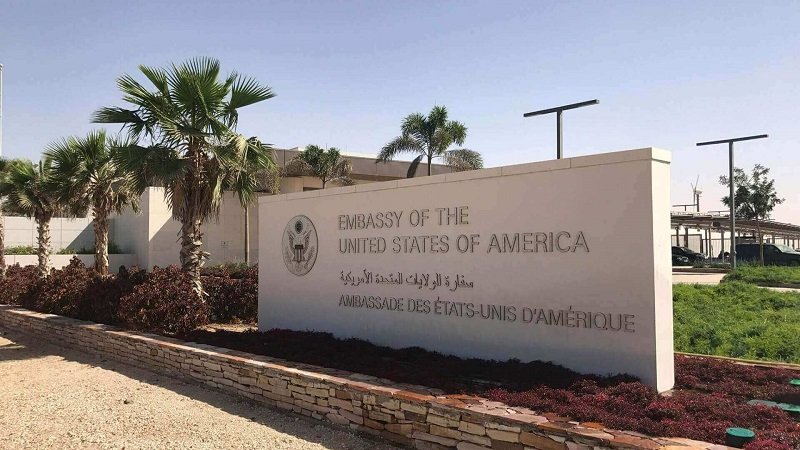
Moving beyond the conventional framing of security advisories, the warning issued by the United States regarding the situation in Mauritania signals a level of concern that extends well beyond routine diplomatic precaution. At its core lies a direct threat targeting the U.S. Embassy in Nouakchott in the capital, Nouakchott.
On the surface, the advisory appears preventive. Yet at a deeper level, it reflects a shift in the perception of risk—from a hypothetical possibility to a formally acknowledged concern. This transition suggests that internal assessments have identified indicators deemed serious enough to warrant heightened alertness, even without disclosing specific details. The issue, therefore, is no longer confined to the protection of diplomatic facilities but extends to broader, less predictable environments frequented by American citizens and other foreigners.
The language used in the advisory underscores this evolution: limiting movement, avoiding public gatherings, and exercising caution during evening hours. These recommendations, once associated with acute crisis scenarios, now form part of a more flexible security doctrine—one that treats threats as fluid, unpredictable, and no longer tied to fixed locations.
In the background, the role of the U.S. Department of State becomes evident, as it increasingly relies on early warning systems and direct communication tools with citizens abroad. Through such mechanisms, individuals are no longer passive recipients of protection but active participants in their own security, operating within a preventive logic where even partial information can shape personal decisions.
What remains striking, however, is the deliberate ambiguity surrounding the nature of the threat. The absence of detail is not incidental; it reflects a calculated balance between transparency and operational security. At the same time, it opens the door to broader interpretations, particularly in the Sahel region, where evolving security dynamics and hybrid threats continue to reshape the landscape.
Ultimately, this advisory should be read as part of a wider transformation in how risk is managed globally. Security is no longer solely institutional—it is increasingly individualized. Between what is disclosed and what remains unsaid, one message stands out: vigilance is no longer situational, but an enduring condition in an increasingly uncertain world.


