

From the very start of the interview at the Marrakech International Film Festival, director Ondřej Provazník identifies the emotional core of his film: silence.
He explains that he receives messages from strangers saying, “Thank you for this film… because this happened to me.”
Loosely inspired by a real scandal that shook the Czech Republic in 2007 — when a renowned choir conductor was convicted of sexually assaulting a young girl — the film adopts a precise narrative strategy: the perspective of a newcomer, a 13-year-old girl named Karolina, entering a seemingly disciplined yet deeply toxic environment.
Silence as a Narrative Language
Provazník states that “many things are not said” in the film.
This is deliberate.
Silence becomes cinema: small signs, fleeting glances, fractured sounds reveal, gradually, the environment’s toxicity.
This strategy reflects two layers:
-
The victim’s experience, shaped by confusion and inability to verbalize trauma.
-
The viewer’s responsibility, becoming an active participant in decoding danger.
The director, who was Karolina’s age when the real events occurred, injects into the film a rare emotional accuracy. Here, silence is not emptiness; it’s the foundation of the narrative.
Charisma, Manipulation, and Institutional Blindness
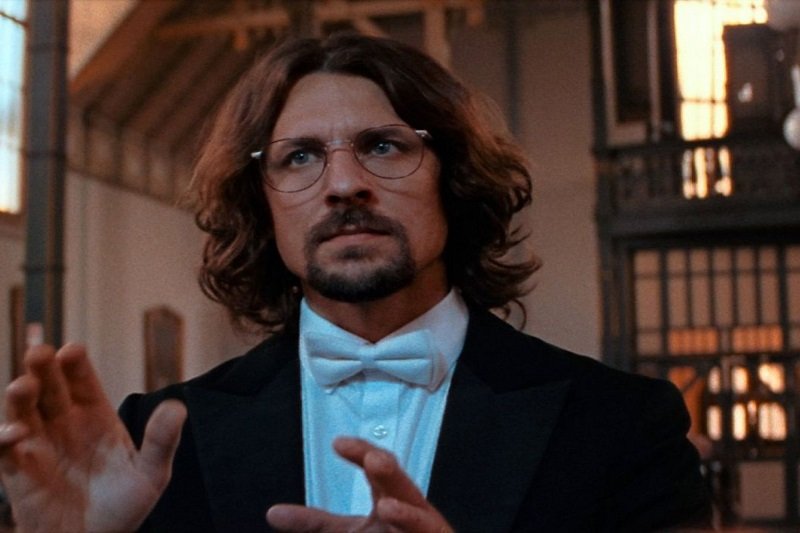
The choir conductor appears “charming and manipulative” — a combination that exposes a systemic flaw:
charisma can mask abuse.
The film interrogates the mechanisms that allow institutions, families, and communities to ignore warning signs.
Karolina’s ambition — “to be elite” — becomes the very weakness the predator exploits.
This raises crucial questions:
Who builds the culture of silence?
Who benefits from it?
The film refrains from simplifying the issue, instead exposing a network of passive or complicit actors.
Art as a Space for Testimony and Healing
One of the film’s strongest impacts is that real survivors began sharing their stories “because of the film.”
This highlights the therapeutic potential of cinema:
art becomes a safe space for truth.
Yet, the journalistic question remains:
Are these survivors supported?
Does the film’s release open wounds without offering protection?
Any work inspired by real trauma must grapple with ethical responsibility.
Why Choose a Child’s Perspective?
The point of view of a 13-year-old is not merely stylistic; it is political.
A child does not understand institutional power nor social complicity.
Through her eyes, viewers witness the slow construction of abuse, and the mechanisms that enable it.
This approach also illuminates why many victims speak up years later: trauma at 13 often becomes intelligible only in adulthood.
Conclusion: From Silence to Accountability
“Broken Voices” is not a film about the past; it is a lens on how systemic abuse grows, how institutions fail, and why victims remain silent.
Provazník’s work opens a needed public debate.
The question is whether society will seize this opportunity.
Will the film spark institutional reflection and real accountability?
Or will it remain a moving work that fades once the lights return?


