

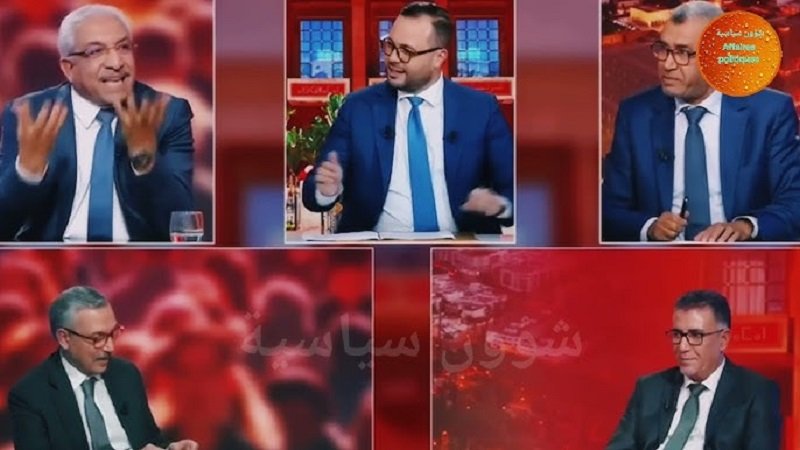
Upcoming Elections in Morocco: Between New Laws and Participation Challenges – An Analytical Reading of the Political Refoundation Challenge
As the next elections approach, debates between the opposition and the majority regarding the new laws governing the electoral process are intensifying. Yet what appears on the surface is only part of the truth. Some see these laws as an opportunity to renew participation and restore confidence in institutions, while others consider them mere temporary remedies to deeper structural crises.
The key questions remain: Are we witnessing an electoral process that genuinely convinces citizens to exercise their rights, or is it simply a struggle between parties to preserve their positions? And do the new laws suffice to ensure real and fair participation of youth and marginalized groups?
New Laws: Between Stability and Stakes
The laws recently passed by Parliament, despite their formal significance, have sparked considerable debate. On one hand, they preserve core principles, such as the electoral quotient, ensuring institutional continuity and a balance of power between major and minor parties. On the other hand, they fail to address essential challenges: empowering youth for active participation, involving women more broadly, or limiting the influence of political money on results.
A philosophical question arises: Is electoral legislation merely a tool to regulate the political game, or a genuine means to rebuild the social contract between the state and the citizen? Can participation structured by these laws overcome the accumulated frustrations of youth and ordinary citizens?
Youth and Participation: Stakes for the Future
Young people, representing the silent or hyper-connected majority on social media, are central to any real democracy. Recent debates have revealed internal divisions within parties regarding their readiness and willingness to include this generation in political decision-making and openness to new ideas.
The question remains: Can traditional parties transform into genuine platforms for youth, or will participation remain limited to an elite protected by old interests? Is authentic democracy possible as long as traditional criteria dominate candidate selection and campaign management?
Political Refoundation: More Than a Slogan
The biggest challenge today is not just organizing elections, but redefining the very meaning of political action. Political refoundation entails accountability of leaders, transparency, fighting corruption, and building a civic culture based on rights and responsibilities. The path remains long: electoral awareness is limited, and unethical practices continue to threaten the democratic process.
Crucial questions arise: How can politics transform from a struggle for positions into a project of rebuilding trust between citizens and the state? How can candidacy and voting become responsible practices, rather than mere procedural formalities?
Institutional Challenges: Majority and Opposition
Differences between the majority and opposition extend beyond laws to the management of local and regional councils, and the difficulty of forming stable majorities capable of making collective and responsible decisions. This reflects the fragility of the political structure in meeting growing societal demands and raises questions about the system’s capacity to meet popular aspirations, particularly regarding local development and essential services.
Toward an Open Conclusion
The upcoming elections are not merely a routine exercise but a true test for both society and politics. They offer an opportunity to reinvigorate participation, empower youth, and rebuild trust between citizens and institutions. They also test the maturity of parties and their ability to self-reform and move beyond purely formal politics.
Open questions for the reader:
-
Will the new electoral law translate into effective and meaningful participation, or remain a purely formal mechanism?
-
How can youth and ordinary citizens ensure their voice is not just a number but a real factor in decision-making?
-
Will parties succeed in overcoming internal conflicts to rebuild trust with society, or will the electoral process remain dominated by narrow interests?


