

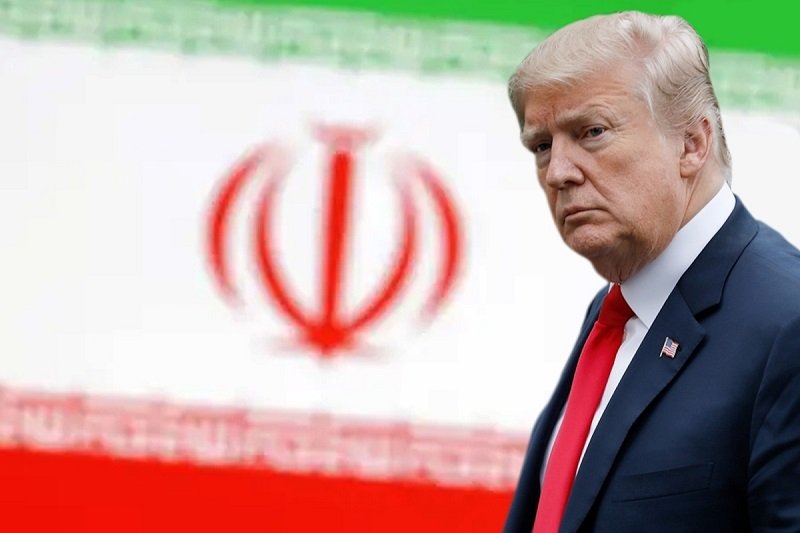
Donald Trump insisted that the main goal of U.S. military operations in Iran was to prevent the country from acquiring nuclear weapons. Yet beneath these forceful declarations lies a complex reality: despite U.S. military might, forming a cohesive international front remains a near-impossible challenge.
Allied Support in Question
The U.S. has crippled Iran’s naval and air forces, neutralizing much of its military capability. However, European NATO allies were reluctant to offer tangible support, despite public assurances. This lack of cooperation reflects longstanding mistrust toward U.S. policies, especially unilateral actions and prior trade tensions with Europe.
Geopolitical and Economic Constraints
A prolonged conflict would have worldwide repercussions: energy price surges would affect fuel, transport, food, and industry across the globe. Ironically, insufficient investment in renewable energy and continued dependence on hydrocarbons make the U.S. vulnerable to its own strategic choices.
Israel and Unilateral Interventions
Meanwhile, Israel often acts alone, targeting strategic sites in Iran and Lebanon. This unilateralism underscores the U.S.’s inability to coordinate a collective effort, while highlighting the regional risks if the conflict continues without international mediation.
Toward a Reorganized Middle East
In the long term, the failure to build an international coalition weakens U.S. and European positions, leaving Iran under both internal and external pressure. The outcome could reshape the Middle East profoundly, where power dynamics are increasingly determined on the ground rather than through traditional diplomatic coalitions.


