

A growing momentum is underway in the U.S. Congress around a bill aimed at designating the Polisario Front as a terrorist organization. The announcement that Republican Congresswoman Claudia Tenney has joined the list of lawmakers supporting the legislative initiative highlights the widening circle of backing within the legislative body and underscores the increasing interest of the U.S. political elite in the Sahara issue.
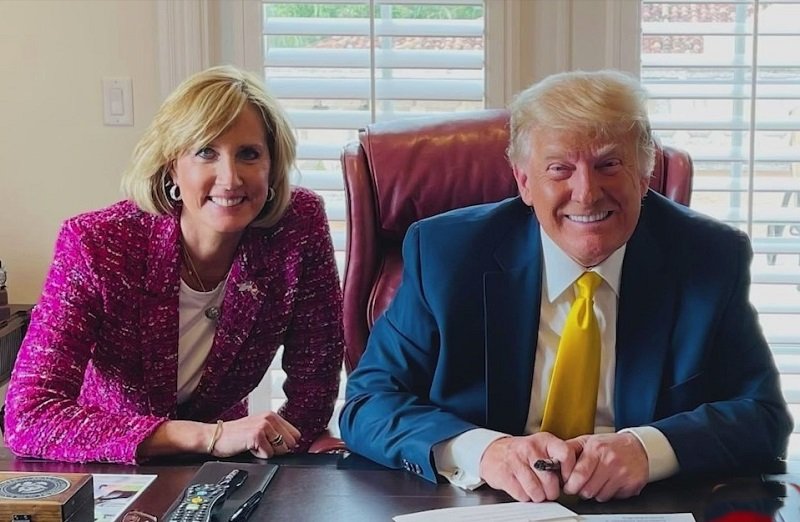
According to official data published on the Congress website, Tenney joined the initiative last Monday, becoming the first woman among the lawmakers supporting the bill since it was introduced on June 24, 2025. Her support raises the number of House members backing the measure to nine, including Republican Congressman Joe Wilson, who leads the legislative effort to require the U.S. administration to consider placing the Polisario on the list of foreign terrorist organizations.
In recent weeks, the list of supporters has steadily expanded: Republican Congressman Don Bacon announced his support on March 3, while Congressman Zachary Nunn of Iowa joined in late February, indicating growing congressional attention to this legislative initiative.
Claudia Tenney, representing New York’s 24th district since January 2023, is a prominent figure within the Republican Party, known for her work on national security and defense issues, adding strategic weight to her backing of the bill. She also serves on key committees, including the Ways and Means Committee, the Science, Space, and Technology Committee, and the permanent Intelligence Committee, enhancing her potential influence on U.S. security and strategic policy formulation.
The bill seeks to compel the U.S. administration to consider designating the Polisario Front as a foreign terrorist organization, a classification that could have significant legal and political consequences, including economic and diplomatic sanctions against the Front and its supporters.
Analysts suggest that the growing legislative support reflects heightened American interest in the conflict’s resolution, particularly amid ongoing diplomatic efforts aimed at achieving a political solution under the Moroccan autonomy initiative. The simultaneity of legislative and diplomatic moves indicates a multidimensional approach that combines political pressure with attempts to advance the negotiation process toward tangible results.
Observers also note that the threat of designating the Polisario as a terrorist organization may serve as leverage on the Front and Algeria, which hosts its leadership, to encourage greater engagement in the ongoing political process.
In this context, the bill remains a key indicator of U.S. interest in the Sahara dossier and of Washington’s strategy to employ diverse political and legislative tools to influence a decades-long regional conflict, reflecting a delicate balance between pressure and negotiation in American foreign policy.


