

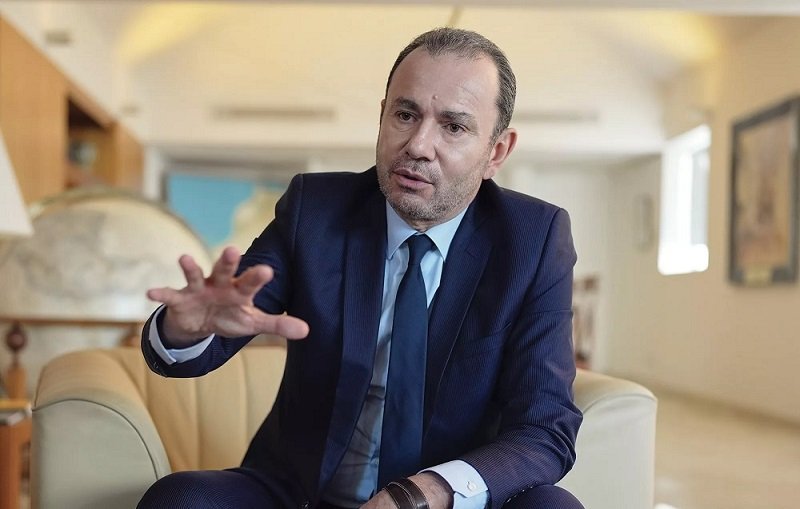
The appointment of Christophe Lecourtier as head of French Development Agency, formalized by a decree signed by Emmanuel Macron and published on April 16, 2026, goes far beyond a routine administrative reshuffle. It signals the end of a sensitive diplomatic cycle between Paris and Rabat and the beginning of a strategic repositioning of French influence.
Lecourtier’s presence in Rabat has never been that of a conventional ambassador. He arrived during a period of latent tension between Morocco and France, marked by a cooling phase starting in 2022, driven by the visa crisis and political divergences over sensitive regional issues, particularly the Sahara file.
From the outset, he adopted a restrained diplomatic approach, favoring de-escalation over confrontation. In the visa dispute, this posture gradually helped reopen channels of communication and ease a crisis that had become symbolic of bilateral strain.
However, the real turning point extended beyond consular matters. It coincided with the gradual shift in France’s position on the Sahara issue, culminating in President Emmanuel Macron’s official statement during his October 2024 visit to Morocco. While the political decision belongs to the highest level of the French state, observers argue that Lecourtier helped prepare the ground through steady, discreet and relationship-driven diplomacy.
This trajectory was also reflected in his November 2024 visit to the Southern Provinces, leading an economic delegation. The move carried strong symbolic weight, signaling a shift from cautious observation to active engagement in development dynamics on the ground.
Economically, Lecourtier worked to reposition France as a strategic partner in a Morocco that has become a rising regional actor. Renewable energy, infrastructure, and digital transformation were central pillars of this recalibration, promoted under an explicit “win-win” framework.
His appointment at the head of the AFD now opens a new phase: one where influence is no longer exercised solely through classical diplomacy, but increasingly through financial instruments and development policy—key tools of France’s strategic projection in Africa and the broader Global South.
This transition raises a central question: will Franco-Moroccan relations continue their strategic consolidation, or enter a new phase of uncertainty driven by changes in key actors? One certainty remains: the relationship between Rabat and Paris is no longer static, but part of an ongoing geopolitical and economic reconfiguration.


