

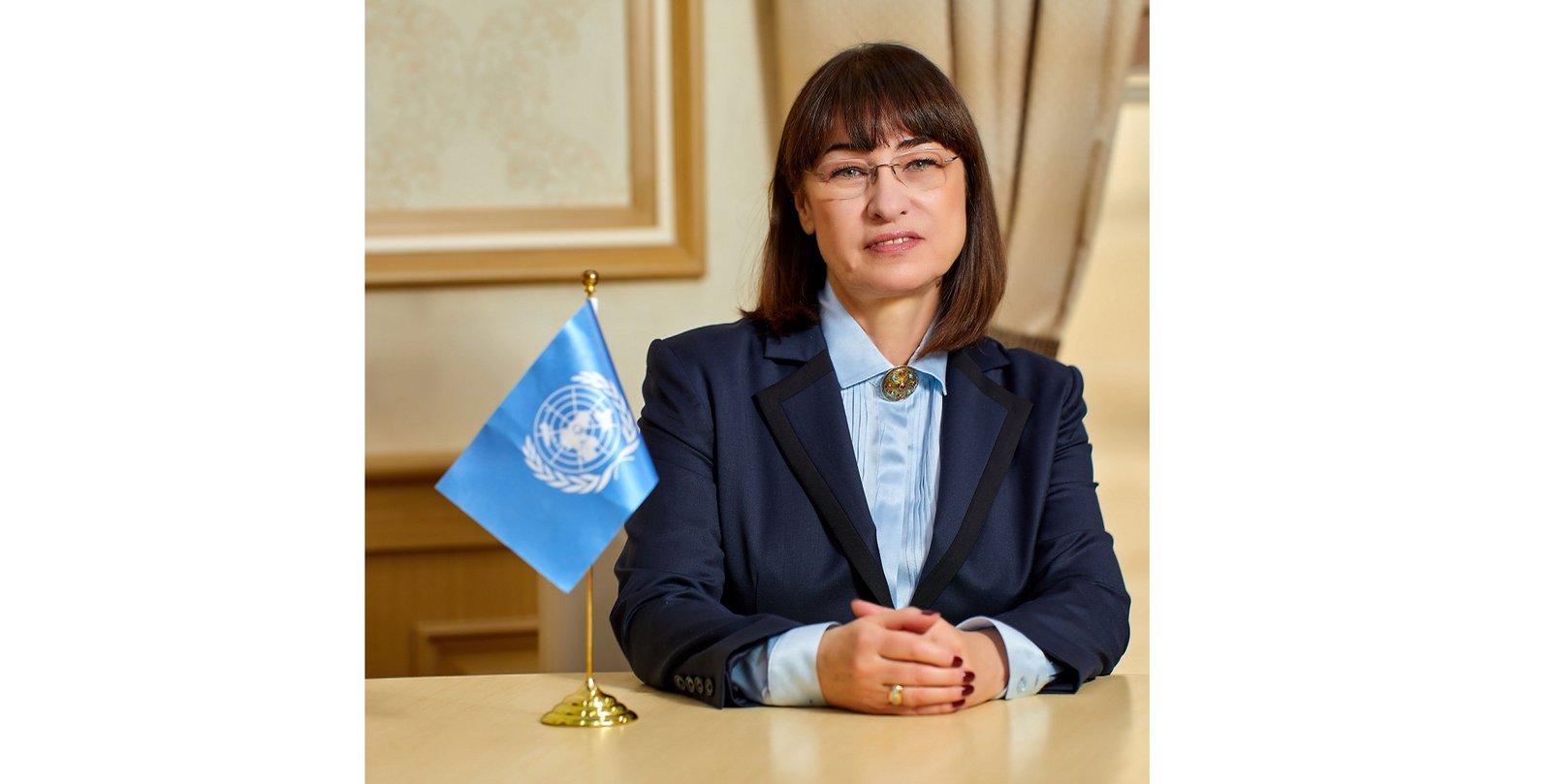
Cairo – Elena Panova, the United Nations Resident Coordinator in Egypt, has clarified the number of refugees and asylum seekers in Egypt who are registered with the United Nations High Commissioner for Refugees (UNHCR).
In remarks distributed by the United Nations Information Centre (UNIC) in Cairo to newspapers and media outlets, a copy of which was obtained by Diplomatique Correspondent, Panova addressed reports circulated by some media organizations regarding refugee statistics in Egypt.
According to the UN Resident Coordinator, the figure of 1.1 million people, cited by several media outlets, refers exclusively to refugees and asylum seekers registered with UNHCR in Egypt. She stressed that this figure represents only a portion of the total number of refugees, migrants, and foreign nationals hosted by Egypt, which stands at 10.5 million people, according to previous statements by Egyptian President Abdel Fattah El-Sisi.
Through the Resident Coordinator, the United Nations expressed its deep appreciation for Egypt’s humanitarian role and its continued commitment to hosting people in need of protection and assistance. The organization also reiterated the importance of strengthening international solidarity and providing adequate support to countries hosting large numbers of refugees, displaced persons, and other vulnerable groups.
As the highest-ranking representative of the United Nations development system in Egypt, the UN Resident Coordinator is responsible for coordinating the work of UN agencies, funds, and programs to ensure that their activities align with the priorities of the Egyptian government and the Sustainable Development Goals (SDGs). The position also involves strengthening cooperation between the United Nations and the Egyptian authorities, mobilizing technical and financial support for development projects, coordinating responses to economic, social, environmental, and humanitarian challenges when necessary, and leading the implementation of the UN Cooperation Framework with Egypt. The Resident Coordinator also works closely with government ministries, the private sector, civil society organizations, and international partners to support inclusive development and contribute to the achievement of Egypt Vision 2030 and related international commitments.
According to official statements issued by Egypt’s political leadership and government, Egypt hosts one of the largest refugee and migrant populations in the region while following a policy of not establishing refugee camps and instead integrating refugees and migrants into local communities, granting them access to basic public services on an equal basis with Egyptian citizens.
According to the Egyptian Presidency’s official website, during his meeting with the United Nations High Commissioner for Refugees on 25 June 2026, President Abdel Fattah El-Sisi announced that Egypt hosts more than 10.5 million foreign nationals, migrants, and refugees. He emphasized that Egypt has never used the refugee issue for political purposes, despite bearing significant economic and service-related burdens under a humanitarian approach that integrates displaced populations into Egyptian society rather than isolating them in camps. This approach enables them to benefit from education, healthcare, and other essential public services.
President El-Sisi has also previously stated that hosting such large numbers imposes substantial financial costs on the Egyptian state, particularly in the areas of water resources, energy, infrastructure, and public services.
The Egyptian government’s position is consistent with these statements. Prime Minister Mostafa Madbouly has repeatedly affirmed that Egypt hosts more than 10 million migrants, refugees, and asylum seekers, prompting the government to conduct a comprehensive assessment of the economic costs associated with hosting them. The objective is to document the financial burden borne by the Egyptian state in providing public services and to strengthen Egypt’s position in international forums when calling for greater responsibility-sharing by the international community.
According to Egypt’s State Information Service (SIS), in January 2026, Prime Minister Madbouly chaired a government meeting dedicated to reviewing the assessment of the economic costs of hosting refugees and migrants residing in Egypt. The meeting brought together the relevant ministries and government agencies as part of efforts to compile comprehensive official data on the impact of hosting refugees and migrants on the state budget and public services. The government reaffirmed that Egypt continues to adopt a humanitarian and development-oriented approach, ensuring the provision of services without discrimination despite the significant economic challenges facing the country.


