

CAIRO — What happens when Africa’s changemakers stop working in isolation in their own countries and begin sharing their achievements, lessons learned, and experiences with one another? And what could change if solutions were able to cross borders?.
These questions lie at the heart of the One Africa Summit, which will be held in Cairo from October 21 to 23, organized by Ashoka Arab World. The summit will bring together around 90 social entrepreneurs, government representatives, charitable organizations, institutional partners, and other stakeholders from 20 countries across Africa and the Arab world.
The summit is part of an initiative launched by Ashoka Fellows from across the continent and hosted by Ashoka Arab World in Cairo. Its aim is to establish an ongoing platform for collaboration, knowledge exchange, and cross-border connections among changemakers.
The summit is more than a gathering for exchanging ideas. It is an attempt to build a lasting bridge between changemakers across the continent and give solutions developed within communities a greater opportunity to spread, adapt, and make an impact beyond their places of origin. Across Africa and the Arab world, local initiatives are addressing highly complex challenges, ranging from youth unemployment and the gap between education and labor-market needs to climate pressures, water scarcity, and inequality. Yet many of these solutions remain confined to the communities in which they first emerged.
The One Africa initiative offers a different vision. The problem, it argues, is not a lack of innovation, but rather the limited reach, influence, and cross-border impact of those driving change on the ground. The summit therefore places African and Arab social entrepreneurs at the heart of the development process—not merely as beneficiaries of programs or short-term projects, but as decision-makers and equal partners in shaping the continent’s future.
From Cairo, the summit seeks to transform knowledge-sharing from a one-way process into a dialogue among peers. Rather than replicating ready-made models, the goal is to share experiences and adapt solutions to local contexts, enabling communities themselves to take ownership of these initiatives, develop them, and expand their impact. In this sense, scaling up is not simply about transferring a project from one country to another; it is about spreading ideas, expertise, and the capacity to drive deeper change in systems and policies.
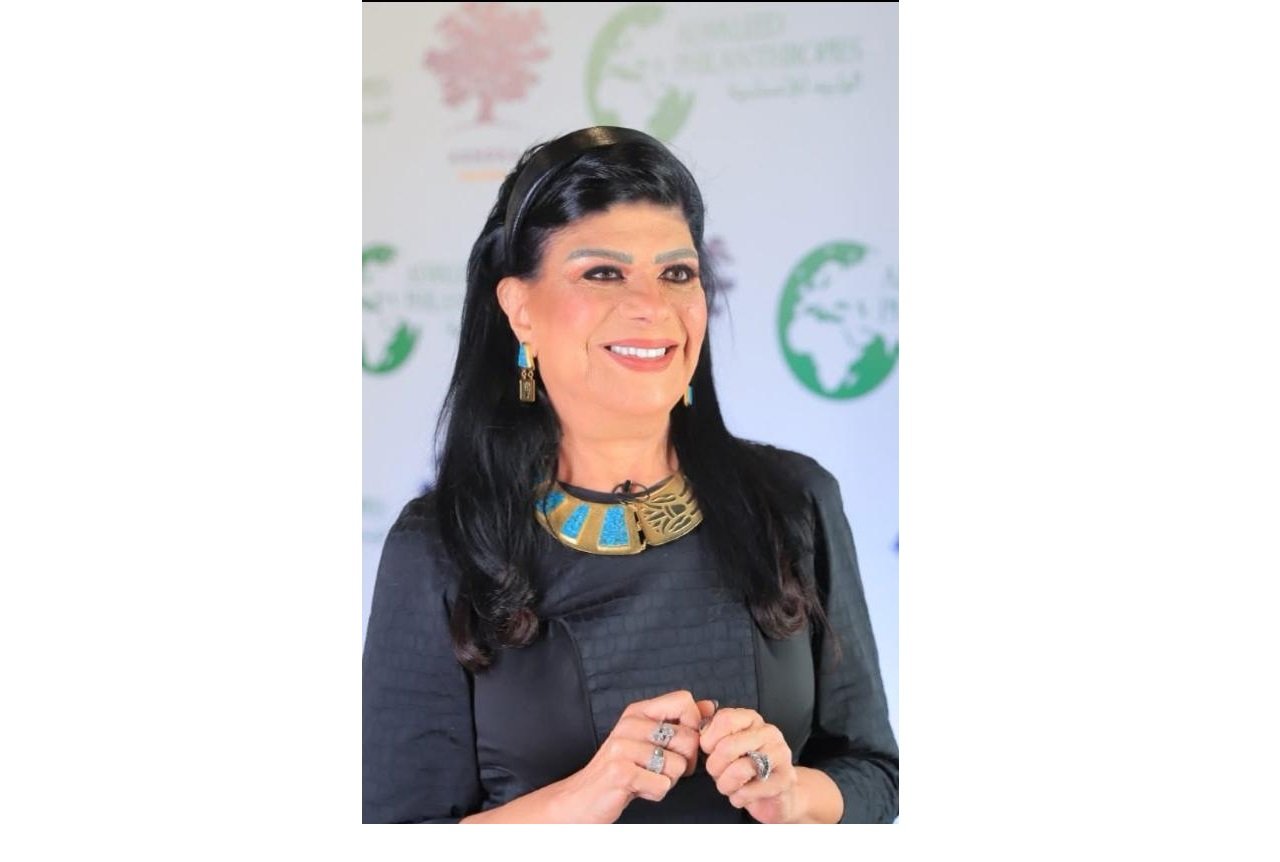
Commenting on the initiative, Dr. Eman Bibers, an Egyptian development expert and Regional Director of Ashoka Arab World and North Africa, said: “What if social entrepreneurs across the continent stopped working in isolation and began actively sharing their successes, lessons learned, and solutions across borders?”.
She added that the initiative centers on building a continent-wide ecosystem that enables changemakers to learn from one another, collaborate despite their differences, and work collectively to develop solutions to challenges that no single country can address on its own.
Summit Program
Over the course of the summit, participants will come together to identify shared priorities, exchange practical experiences, and explore new forms of cross-border cooperation. The discussions are intended to pave the way for partnerships that extend beyond the summit itself and translate into joint action and tangible impact across diverse communities.
The One Africa Summit also reflects a broader commitment to strengthening South-South cooperation, in which knowledge and innovation do not flow in only one direction. Instead, they move among equal partners, each learning from the experiences of others. One of the most effective responses to the continent’s challenges may already exist in another African city or village. What is missing may not be a new solution, but a pathway for that solution to reach the people and places that need it.
About Ashoka
Ashoka is a global organization that identifies and supports social entrepreneurs whose innovations help drive transformative change in response to some of the world’s most pressing social and environmental challenges.
Over more than four decades, Ashoka has built a global network of more than 4,000 Fellows and changemakers working across sectors and borders to create a world in which everyone has the capacity, opportunity, and space to contribute to positive change.


