

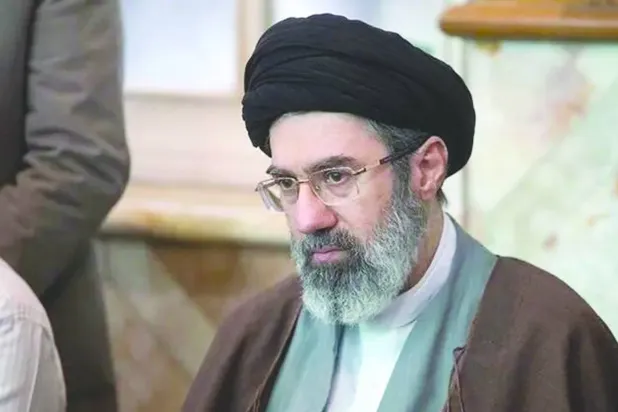
The fate of Mojtaba Khamenei, the new Supreme Leader of the Islamic Republic of Iran, remains shrouded in mystery weeks after assuming office, as conflicting reports circulate about his health. Some Iranian and Israeli sources suggest he sustained minor injuries during recent military operations, while close associates insist he is in good health and faces no serious issues.
Following the death of his father, Ali Khamenei, in U.S.-Israeli strikes at the end of February, Mojtaba Khamenei officially assumed leadership on March 8. Since then, he has remained absent from public view, raising questions about his ability to lead the country during a critical period marked by regional tensions and internal pressures.
Iranian state television described him as a “janbaz,” meaning a wounded fighter, during what media called the “Ramadan War,” without specifying the nature or severity of the injuries. The New York Times, citing Iranian and Israeli sources, reported that Mojtaba Khamenei was injured in his legs during the early days of the military operations, temporarily keeping him out of the public eye and sparking debate about his effectiveness in managing state affairs.
In response, Yousef Bazhkian, son of the Iranian president and government advisor, stated that the reports of the Supreme Leader’s injuries are “inaccurate,” asserting that Mojtaba Khamenei is “in good health and doing well.” He added: “I heard reports about potential injuries. I checked with some well-connected friends, and they confirmed that he is fine, thankfully.”
Analysts suggest that being described as a “wounded fighter” does not necessarily indicate a serious injury, and his health is currently stable. Yet, Israeli intelligence officials view the possibility of minor injuries, while noting that the precise nature and impact on his activities have not been independently verified, adding another layer of uncertainty.
Internationally, Mojtaba Khamenei’s absence from official events, televised speeches, or written statements intensifies questions about Iran’s governance and the future trajectory of its foreign policy. Global observers are closely monitoring the situation, as any public move or statement could have significant implications for regional stability and Iran’s relations with neighbors and world powers.
Caught between official assurances of good health and intelligence assessments hinting at minor injuries, the mystery surrounding Mojtaba Khamenei endures. His continued absence from the public sphere fuels uncertainty over Iran’s domestic and regional management during this pivotal chapter in its history.


