

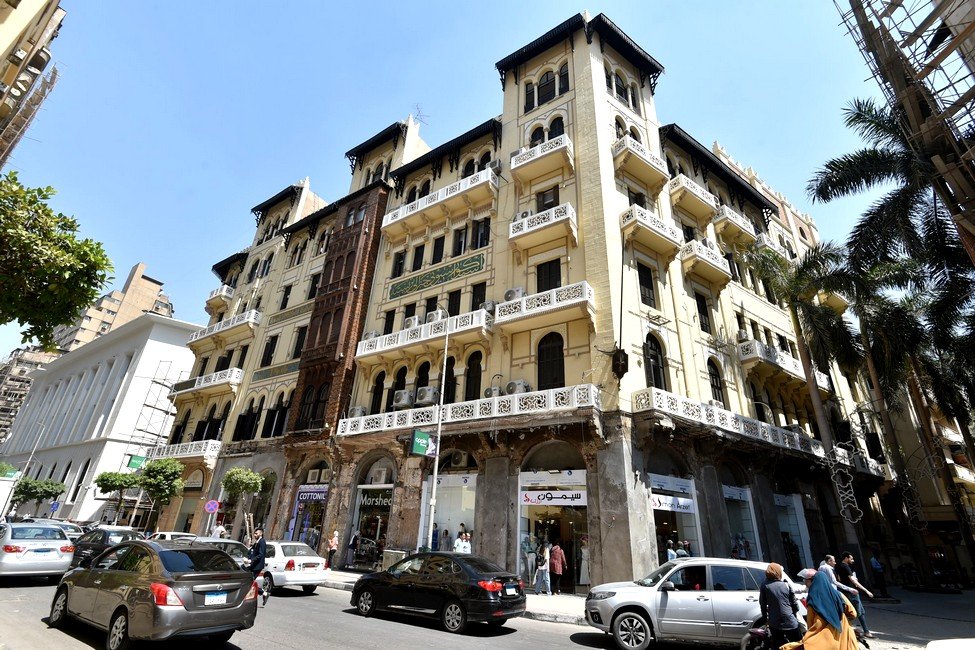
Cairo – At the heart of Cairo, where historic mosques and Islamic-era houses stand alongside European-style buildings and squares that have witnessed major turning points in Egypt’s modern history, the government is continuing its efforts to revitalize the capital’s historic and heritage districts.
The initiative aims to preserve the city’s architectural identity, improve quality of life, and strengthen its appeal as a cultural and tourist destination.
The project goes beyond restoring old buildings and renovating street facades. It also involves revitalizing public spaces, upgrading infrastructure, and encouraging commercial and cultural activities, with the aim of bringing historic Cairo back into everyday life rather than leaving its landmarks as mere reminders of the past.
Islamic and Khedivial Cairo: Two Tracks for Heritage Revitalization
Government efforts are proceeding along two main tracks. The first focuses on Islamic and historic Cairo, with its mosques, mausoleums, heritage buildings, and traditional markets. The second targets Khedivial Cairo and downtown, which reflect an important chapter in the capital’s architectural history dating back to the nineteenth century.
In this context, President Abdel Fattah El-Sisi reviewed, during a meeting in September 2026, efforts to restore a number of historic mosques and mausoleums, alongside plans to establish integrated tourist routes connecting different heritage sites. The initiative seeks to present central Cairo as an open-air museum for visitors.
The president also stressed the importance of upgrading the areas surrounding historic landmarks and proposed a greening initiative for Cairo, aimed at transforming cleared spaces into green areas and achieving a better balance between heritage preservation and urban environmental improvement.
Khedivial Cairo: Restoring Buildings and Revitalizing Public Squares
In downtown Cairo, development work is continuing across Khedivial Cairo. The projects include restoring the facades of historic buildings, upgrading streets, sidewalks, lighting and utilities, and removing visual clutter while preserving the district’s distinctive architectural character.
The projects have covered Talaat Harb, Mostafa Kamel and Opera squares, as well as the corridors around the Stock Exchange and the Sherifain district. They also include the redevelopment of Azbakeya Garden and the restoration of its historic features, including the lake, fountain, open-air theatre, and old trees.
The plan also includes organizing a new book market near the Opera area, allowing the traditional book trade associated with the Azbakeya book market to continue. The market is one of Cairo’s best-known cultural landmarks, with a long history linked to reading and second-hand books.
In November 2026, Prime Minister Mostafa Madbouly reviewed efforts to improve the visual appearance of buildings and streets and expand greenery in Falaki Square in the Abdeen district. He reaffirmed the government’s commitment to continuing the rehabilitation of the capital’s historic squares and neighborhoods.
Tourism and Improving Residents’ Quality of Life
The government hopes these revitalization projects will strengthen Cairo’s position on the cultural tourism map, stimulate commercial and traditional craft activities, and attract new investment to historically significant areas.
However, the success of these efforts cannot be measured solely by the visual appearance of renovated streets or the number of restored buildings. It also depends on the ability of these projects to balance heritage protection with the preservation of local social and economic activities, while ensuring that residents benefit from the opportunities created by urban development.
Sustaining maintenance work, regulating commercial activities, improving public services and infrastructure, and involving residents and property owners in the development process will remain essential to ensuring long-term results.
Ultimately, the revitalization of historic Cairo represents an effort to reintroduce Egypt’s capital as a city shaped by multiple layers of history and civilization. From Islamic Cairo to Khedivial Cairo, the central challenge is to restore the city’s spirit and preserve its architectural and cultural memory without disconnecting it from the needs and daily lives of its residents.


